Nakshatra
Dhanishtha nakshatra: the Vasus, Mars and the drum
Dhanishtha (Dhaniṣṭhā) is the twenty-third nakshatra, from 23°20' sidereal Capricorn to 6°40' Aquarius. Padas 1 and 2 are in Capricorn and padas 3 and 4 in Aquarius. Its deities are the Vasus, eight gods of the elements, and its Vimshottari lord is Mars. The symbol is commonly given as a drum.
Draft · specialist source review requested
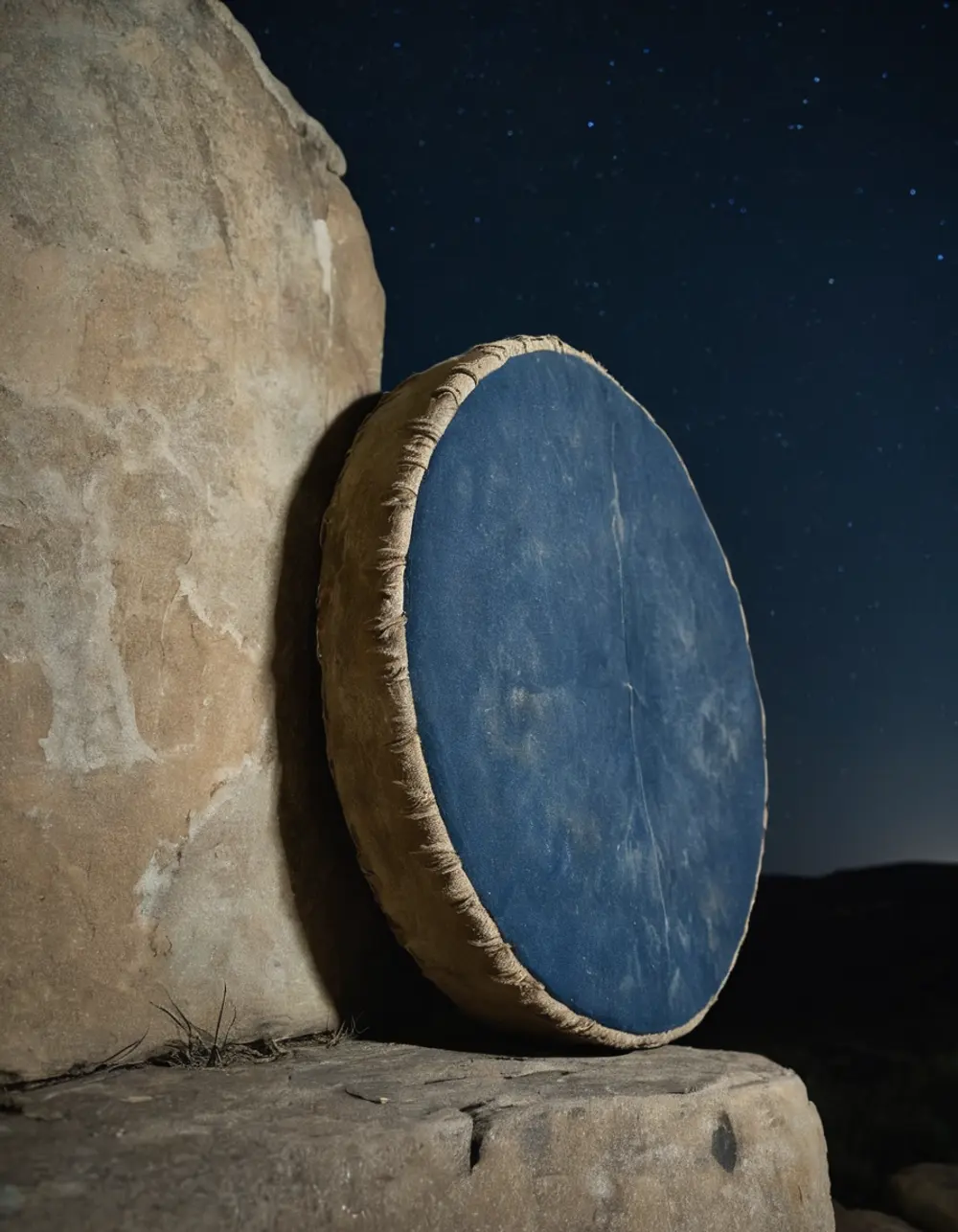
Dhaniṣṭhā is usually translated "the wealthiest" or "most famous." Its symbol is a drum, and a drum is hollow. Astrologers have been making something of that combination for a long time: abundance on the outside, an empty space inside that makes the sound.
| Fact | Dhanishtha |
|---|---|
| Number | 23 of 27 |
| IAST spelling | Dhaniṣṭhā |
| Deity | Vasus |
| Vimshottari lord | Mars |
| Symbol (commonly given) | Drum (mṛdaṅga) |
| Sidereal span | 23°20' Capricorn-6°40' Aquarius |
| Rashi | Makara (padas 1-2), Kumbha (padas 3-4) |
| Muhurta class | Usually given as cara (movable); see below |
The eight Vasus
The Vasus are Dhaniṣṭhā's deities in the Bṛhat Saṃhitā sequence.[32] They are a group of eight gods tied to the elements and the visible world, usually listed as earth, water, fire, wind, sky, Sun, Moon and the stars. Their name shares a root with vasu, "good" or "wealth," which is part of why this nakshatra is linked with prosperity. The drum adds rhythm and music.
Questions on rhythm and plenty
- What rhythm in your week keeps you steady, and what keeps breaking it?
- Where do you feel rich in a way that has nothing to do with money?
- Who would you invite to play along with you, and who would you rather leave out?
How to calculate moon sign?
Find the Moon's longitude for your birth date, time and place, then convert it to the sidereal zodiac by subtracting the ayanamsa (about 24 degrees in the 2020s, using Lahiri). Every 30 degrees from 0° Aries is one sign. Someone whose Moon is in Dhanishtha has a Capricorn Moon sign if it falls before 0° Aquarius and an Aquarius Moon sign after. The nakshatra calculator does the conversion; the ayanamsa and sidereal entries explain it.
| Pada | Sidereal span | Navamsa sign |
|---|---|---|
| 1 | 23°20'-26°40' Capricorn | Leo |
| 2 | 26°40'-30°00' Capricorn | Virgo |
| 3 | 0°00'-3°20' Aquarius | Libra |
| 4 | 3°20'-6°40' Aquarius | Scorpio |
Muhurta uses
Dhaniṣṭhā's class is not in the Bṛhat Saṃhitā verses this site has checked. Later manuals usually put it with Punarvasu, Svātī, Śravaṇa and Śatabhiṣaj as cara (movable), suited to travel, vehicles and anything that involves moving. Treat that as later practice awaiting a source check. Practical deadlines matter more than any of it.
The verse for this nakshatra is on the Dhanishtha mantra page. Shravana and Shatabhisha sit on either side.
Source review
The Vasus as Dhaniṣṭhā's deities come from Bṛhat Saṃhitā chapter 97, verses 4-5, in the Sanskrit edition (98 in the English translation).[32] The list of the eight Vasus, the cara class, the symbol and the prompts are not from that text.
Common questions
Which rashi is Dhanishta nakshatra?
Makara (sidereal Capricorn) for padas 1 and 2, and Kumbha (sidereal Aquarius) for padas 3 and 4.
Who is the lord of Dhanishta nakshatra?
Mars, in the Vimshottari dasha scheme. Mrigashira and Chitra share the same lord.
Is Dhanishta the same as Avittam?
Yes. Avittam is the Tamil and Malayalam name. Shravishtha is an older Sanskrit name for the same nakshatra.
Keep going
Updated 2026-10-12. Traditional interpretations are not predictions.
Sources: [32] https://www.wisdomlib.org/hinduism/book/brihat-samhita-sanskrit/d/doc1218130.html
Vedic lens
What does the Vedic lens add?
Dhanishtha is lunar mansion 23 in the standard 27-part sidereal sequence. Its span is 13 degrees and 20 arcminutes, divided into four padas of 3 degrees and 20 arcminutes. A Moon placement should be calculated in a named ayanamsa before applying a natal interpretation.
In Vimshottari, its starting lord is Mars. The fraction of the mansion still ahead of the Moon determines the remaining balance of that first major period. This does not mean everyone with a Dhanishtha Moon begins life with a complete Mars period.
Natal meaning and electional timing answer different questions. A birth placement is not a recommendation to schedule every important activity under the same mansion. Check the current tithi, local time, and the practical deadline separately. Our editorial prompt is to compare one familiar response with a concrete alternative before making a decision; that is a reflection exercise, not a translated classical prediction.
Explore the yoga patterns, major and subperiods, and house-lord connections behind this reading.
How we calculate
Is astrology a guarantee of what will happen?
No. These calculations locate celestial bodies; astrology is a reflection and timing tradition, not evidence of guaranteed health, financial or relationship outcomes.
How are these results calculated?
Positions come from Astronomy Engine, an open-source astronomy library, and are checked against Swiss Ephemeris in our methodology tests. Western readings use the tropical zodiac; Vedic readings subtract the Lahiri ayanamsa. Terms are defined in the glossary.
Next: compare your birth chart, see today's sky, or make a private vision board.