Nakshatra
Magha nakshatra: the ancestors, Ketu and the throne
Magha (Maghā) is the tenth nakshatra and opens sidereal Leo, from 0°00' to 13°20'. Its deities are the Pitṛs, the ancestors, and its Vimshottari lord is Ketu. Its symbol is commonly given as a throne or palanquin. Classical muhurta lists it among the ugra, or fierce, nakshatras.
Draft · specialist source review requested
What are nakshatra?
Nakshatras are the 27 lunar mansions of Indian astronomy and astrology: equal slices of the sidereal zodiac, 13°20' each, roughly the distance the Moon travels in a day. Each has a deity, a planetary lord and four padas. In a birth chart the Moon's nakshatra matters most; in muhurta, the day's nakshatra helps pick a time. They belong to the sidereal zodiac, so a tropical-only reader should compute a sidereal Moon with the nakshatra calculator. The sidereal glossary entry has the details.
Magha means "the mighty" or "the bountiful." Its main star is Regulus, the bright heart of the lion.
| Fact | Magha |
|---|---|
| Number | 10 of 27 |
| IAST spelling | Maghā |
| Deity | Pitṛs (ancestors) |
| Vimshottari lord | Ketu |
| Symbol (commonly given) | Throne or palanquin |
| Sidereal span | 0°00'-13°20' Leo |
| Rashi | Simha (Leo), all four padas |
| Muhurta class | Ugra (fierce) |
The ancestors on the throne
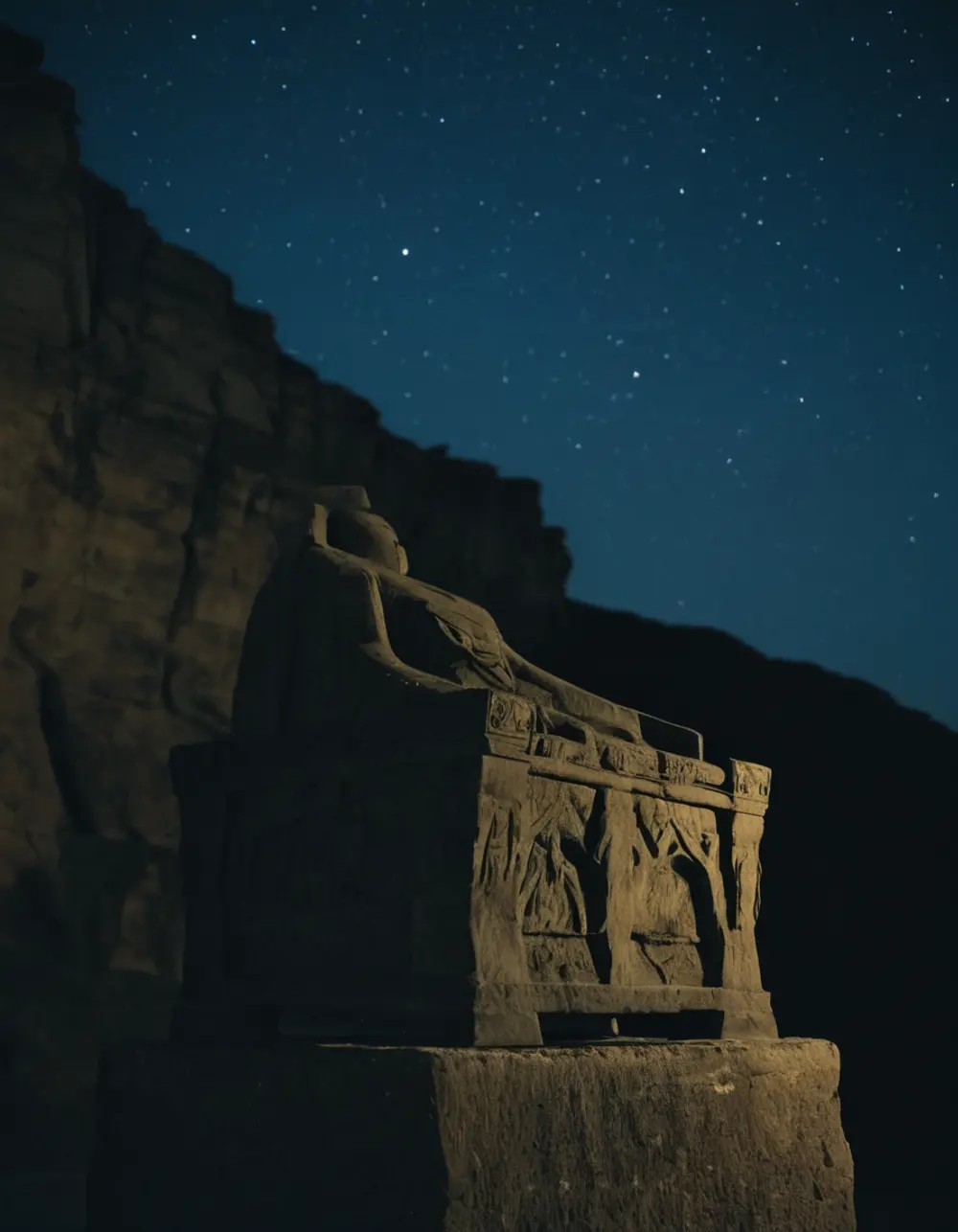
The Pitṛs, the deified ancestors, are Maghā's deities in the Bṛhat Saṃhitā sequence, and the muhurta verse calls it simply pitrya, "of the fathers."[32] A throne is an inherited seat. You sit where your family sat, and you answer to them. That makes Magha one of the more family-centerd nakshatras in the tradition, with as much obligation in it as privilege.
Questions about inheritance
Astrologers associate Magha with dignity, lineage and leadership. These are better as questions than labels:
- What did you inherit, in habits as well as things, that you would choose to keep?
- Whose approval are you still working for, living or not?
- Where do you take charge because you want to, and where because it was expected?
Padas and navamsa
| Pada | Sidereal span | Navamsa sign |
|---|---|---|
| 1 | 0°00'-3°20' Leo | Aries |
| 2 | 3°20'-6°40' Leo | Taurus |
| 3 | 6°40'-10°00' Leo | Gemini |
| 4 | 10°00'-13°20' Leo | Cancer |
The start of Magha is a water-to-fire junction (Cancer into Leo), so pada 1 is sometimes discussed under gandanta alongside the end of Ashlesha.
Muhurta uses
Bṛhat Saṃhitā groups Maghā with Bharaṇī and the three Pūrvas as ugra (fierce) and lists destruction, ruin, deceit, binding, poison, burning and striking with weapons as their activities.[32] I am reporting the list as it stands, and this site does not suggest harmful acts. Modern muhurta practice tends to use fierce days for endings and clearing, which for Magha often means ancestral rites, sorting a relative's belongings, or closing a family matter. Practical deadlines come first.
The mantra text is on the Magha mantra page. The neighbors are Ashlesha and Purva Phalguni.
Source review
The Pitṛs as deities (verses 4-5) and the ugra list naming Maghā as pitrya (verse 8) come from Bṛhat Saṃhitā chapter 97 in the Sanskrit edition, numbered 98 in the English translation.[32] The gandanta note, the English glosses, the symbol and the prompts are editorial.
Common questions
Who is the lord of Magha nakshatra?
Ketu. Magha starts the second round of the nine Vimshottari lords, just as Ashwini starts the first and Mula the third.
What rashi is Magha in?
Simha, or sidereal Leo. All four padas fall in Leo.
Does a Magha Moon mean royalty or status?
The throne symbol points to rank and inheritance, but it is an image to reflect on. It says nothing certain about anyone's job, wealth or standing.
Keep going
Updated 2026-10-12. Traditional interpretations are not predictions.
Sources: [32] https://www.wisdomlib.org/hinduism/book/brihat-samhita-sanskrit/d/doc1218130.html
Vedic lens
What does the Vedic lens add?
Magha is lunar mansion 10 in the standard 27-part sidereal sequence. Its span is 13 degrees and 20 arcminutes, divided into four padas of 3 degrees and 20 arcminutes. A Moon placement should be calculated in a named ayanamsa before applying a natal interpretation.
In Vimshottari, its starting lord is Ketu. The fraction of the mansion still ahead of the Moon determines the remaining balance of that first major period. This does not mean everyone with a Magha Moon begins life with a complete Ketu period.
Natal meaning and electional timing answer different questions. A birth placement is not a recommendation to schedule every important activity under the same mansion. Check the current tithi, local time, and the practical deadline separately. Our editorial prompt is to compare one familiar response with a concrete alternative before making a decision; that is a reflection exercise, not a translated classical prediction.
Explore the yoga patterns, major and subperiods, and house-lord connections behind this reading.
How we calculate
Is astrology a guarantee of what will happen?
No. These calculations locate celestial bodies; astrology is a reflection and timing tradition, not evidence of guaranteed health, financial or relationship outcomes.
How are these results calculated?
Positions come from Astronomy Engine, an open-source astronomy library, and are checked against Swiss Ephemeris in our methodology tests. Western readings use the tropical zodiac; Vedic readings subtract the Lahiri ayanamsa. Terms are defined in the glossary.
Next: compare your birth chart, see today's sky, or make a private vision board.