Nakshatra
Uttara Ashadha nakshatra: Viśve Devas and the Sun
Uttara Ashadha (Uttarāṣāḍhā) is the twenty-first nakshatra, running from 26°40' sidereal Sagittarius to 10°00' Capricorn. Pada 1 is in Sagittarius and padas 2 to 4 are in Capricorn. Its deities are the Viśve Devas, the "all-gods," and its Vimshottari lord is the Sun. Its muhurta class is dhruva, or fixed.
Draft · specialist source review requested
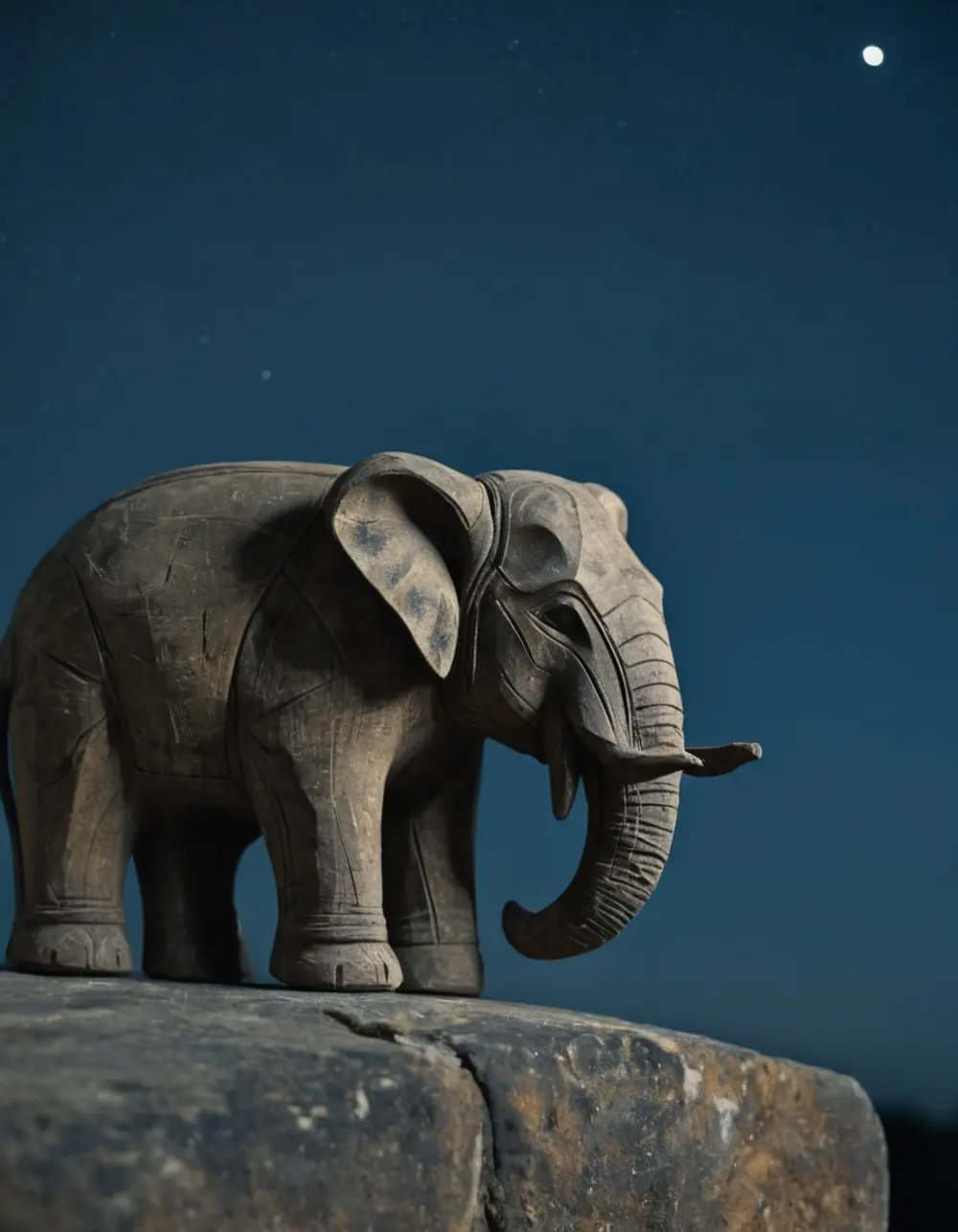
"The later unconquered one" follows "the earlier unconquered one." Where Purva Ashadha is the confident claim, Uttara Ashadha is the victory that sticks, the kind that is still standing years later.
| Fact | Uttara Ashadha |
|---|---|
| Number | 21 of 27 |
| IAST spelling | Uttarāṣāḍhā |
| Deity | Viśve Devas |
| Vimshottari lord | Sun |
| Symbol (commonly given) | Elephant tusk or small bed |
| Sidereal span | 26°40' Sagittarius-10°00' Capricorn |
| Rashi | Dhanu (pada 1), Makara (padas 2-4) |
| Muhurta class | Dhruva (fixed) |
All the gods at once
The Bṛhat Saṃhitā gives the Viśve Devas as Uttarāṣāḍhā's deities.[32] The name means "all the gods," a collective that receives offerings as a group, so that no deity is left out. Later texts give them names that stand for virtues such as truth, will and steadiness. A nakshatra owned by everyone is usually read as one about fairness and about responsibility to a wider group, not just to yourself.
Questions about lasting things
- Which of your commitments would still make sense to you in ten years?
- When you win, who else gets something out of it?
- Where are you holding to a principle that costs you, and is it worth it?
What determines your moon sign?
The Moon's position at the moment you were born. It moves through a sign in about two and a half days, so date, time and place all matter. Vedic astrology uses the sidereal zodiac, which now sits about 24 degrees behind the tropical one, so your Vedic Moon sign can differ from a Western app's. With Uttara Ashadha it can also change inside the nakshatra: pada 1 gives a Sagittarius Moon, padas 2 to 4 a Capricorn Moon. Use the nakshatra calculator to get the sidereal position, and see sidereal.
| Pada | Sidereal span | Navamsa sign |
|---|---|---|
| 1 | 26°40'-30°00' Sagittarius | Sagittarius |
| 2 | 0°00'-3°20' Capricorn | Capricorn |
| 3 | 3°20'-6°40' Capricorn | Aquarius |
| 4 | 6°40'-10°00' Capricorn | Pisces |
Padas 1 and 2 are vargottama, falling in the same sign in the birth chart and the navamsa.
Muhurta uses
Bṛhat Saṃhitā groups the three Uttaras with Rohiṇī as dhruva (fixed), for consecration, pacifying rites, planting trees, founding a town, religious duty, sowing seed and beginnings meant to last.[32] Laying a foundation, signing a long lease, starting a community project: the modern versions are not hard to find. Practical deadlines still come first.
The devotional text is on the Uttara Ashadha mantra page. Its neighbors are Purva Ashadha and Shravana.
Source review
The Viśve Devas as deity (verses 4-5) and the dhruva list (verse 6) are from Bṛhat Saṃhitā chapter 97 in the Sanskrit edition (98 in the English translation).[32] The later names of the Viśve Devas, the English glosses, the symbol and the prompts are editorial.
Common questions
Who is the lord of Uttarashada nakshatra?
The Sun, in the Vimshottari dasha scheme. Krittika and Uttara Phalguni share the Sun as lord, and all three cross a sign boundary.
What is the rashi of Uttarashada nakshatra?
Dhanu (sidereal Sagittarius) for pada 1 and Makara (sidereal Capricorn) for padas 2 to 4.
What is the symbol of Uttara Ashadha?
Modern lists usually give an elephant tusk or a small bed (a plank or cot). Sources differ, and the classical text cited here does not fix one.
Keep going
- All 27 nakshatras
- Uttara Ashadha mantra
- Purva Ashadha nakshatra
- Shravana nakshatra
- Capricorn zodiac sign
Updated 2026-10-12. Traditional interpretations are not predictions.
Sources: [32] https://www.wisdomlib.org/hinduism/book/brihat-samhita-sanskrit/d/doc1218130.html
Vedic lens
What does the Vedic lens add?
Uttara Ashadha is lunar mansion 21 in the standard 27-part sidereal sequence. Its span is 13 degrees and 20 arcminutes, divided into four padas of 3 degrees and 20 arcminutes. A Moon placement should be calculated in a named ayanamsa before applying a natal interpretation.
In Vimshottari, its starting lord is Sun. The fraction of the mansion still ahead of the Moon determines the remaining balance of that first major period. This does not mean everyone with a Uttara Ashadha Moon begins life with a complete Sun period.
Natal meaning and electional timing answer different questions. A birth placement is not a recommendation to schedule every important activity under the same mansion. Check the current tithi, local time, and the practical deadline separately. Our editorial prompt is to compare one familiar response with a concrete alternative before making a decision; that is a reflection exercise, not a translated classical prediction.
Explore the yoga patterns, major and subperiods, and house-lord connections behind this reading.
How we calculate
Is astrology a guarantee of what will happen?
No. These calculations locate celestial bodies; astrology is a reflection and timing tradition, not evidence of guaranteed health, financial or relationship outcomes.
How are these results calculated?
Positions come from Astronomy Engine, an open-source astronomy library, and are checked against Swiss Ephemeris in our methodology tests. Western readings use the tropical zodiac; Vedic readings subtract the Lahiri ayanamsa. Terms are defined in the glossary.
Next: compare your birth chart, see today's sky, or make a private vision board.